ワシントン州がデータセンター反発の中でAIガードレールを前進:プライバシーとテック利用者に何を意味するか
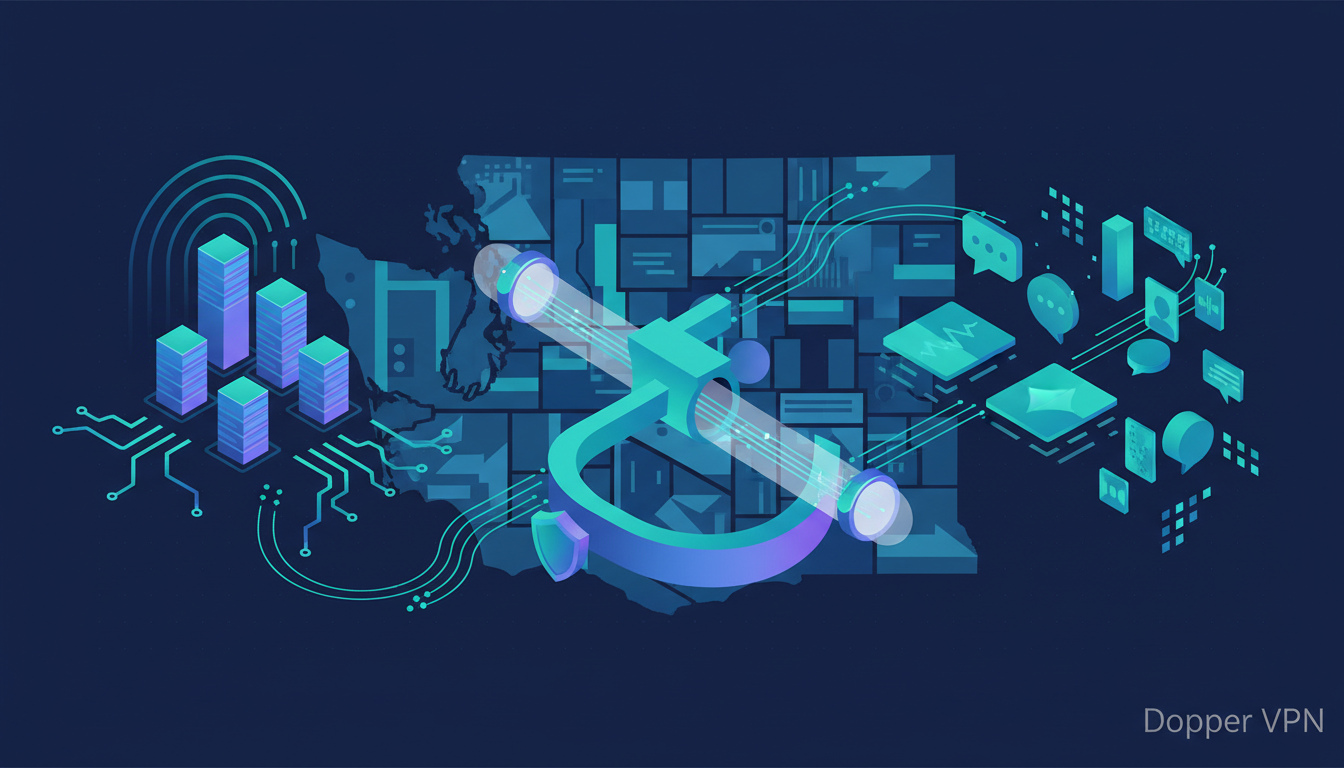
As AI adoption surges, Washington lawmakers are pushing forward bills to mandate labeling of AI-generated content, curb biometric surveillance, and regulate power-hungry data centers—moves that highlight growing tensions between innovation and consumer protection.[1] These developments, advancing in early March 2026, reflect a broader U.S. trend of state-level tech regulation filling federal voids, with implications for privacy, energy costs, and digital rights.[1][2]
Washington's AI Bills Target Transparency and Surveillance Risks
Washington state currently lacks comprehensive AI laws, but 2026 legislative sessions have spotlighted the technology's risks, from deepfakes to discriminatory algorithms.[1] House Bill 1933, sponsored by Rep. Travis Shavers, requires clear disclosure when AI generates or alters content, ensuring users know when they're interacting with synthetic media.[1] "It tells AI systems: ‘If you generated it, or if you altered it, the public deserves clear notice,’” Shavers emphasized, framing the measure as a balance between consumer safeguards and innovation.[1]
The bill prohibits predictive risk scoring—AI systems that forecast individual behaviors like creditworthiness or criminality—and biometric surveillance, such as facial recognition in public spaces without consent.[1] Senate Bill 5886 complements this by expanding the state's right-of-publicity law to protect individuals' AI-generated digital likenesses, barring commercial use of someone's voice or image without permission.[1] These provisions aim to prevent misuse in advertising, entertainment, or harassment, directly addressing privacy concerns for everyday users.
Tech industry groups, including the Computer and Communications Industry Association (representing Google, Meta, and Amazon), have lobbied against the proposals.[1] Aodhan Downey, the association's western state policy manager, warned that overregulation could limit AI tool capabilities and expose companies to excessive liability.[1] Critics argue the definitions are too broad and implementation challenging, potentially stifling startups.[1] Despite pushback, the bills advanced through committees in late February 2026, signaling strong legislative momentum.[1]
Not all proposals succeeded: Efforts to regulate high-risk AI for algorithmic discrimination, mandate training data transparency, and restrict AI-driven price setting failed to progress.[1] This mixed outcome underscores the challenge of crafting precise rules in a fast-evolving field.
Data Center Boom Sparks Energy and Environmental Regulations
Parallel to AI content rules, Washington is tackling the infrastructure fueling it: data centers.[1] AI's computational demands have triggered a construction surge, with these facilities projected to drive the Pacific Northwest's electricity demand in coming years.[1] House Bill 2515 mandates utilities to implement tariffs protecting ratepayers from financial risks, require annual sustainability reports, and bar data centers from free emissions allowances under the Climate Commitment Act.[1]
This regulatory push mirrors national trends. U.S. data center construction dipped to 5.99 gigawatts by end-2025 from 6.35 gigawatts in 2024—the first decline since 2020—despite AI demand, due to permit delays and local opposition.[2] New York proposed a three-year moratorium on new data center permits statewide.[2] New Orleans enacted a one-year pause, while Madison, Wisconsin, followed suit after protests.[2] Similar restrictions have proliferated in Georgia and Michigan hotspots.[2]
Public backlash stems from environmental impacts: data centers guzzle energy equivalent to small cities, raising electric bills and straining grids amid climate goals.[1][2] For privacy-focused users, this matters because opaque data centers often host surveillance tech and unencrypted user data, amplifying risks if unregulated.
Expert Analysis: State-Level Patchwork vs. Federal Vacuum
Doppler VPNでプライバシーを保護
3日間無料体験。登録不要。ログなし。
Experts view Washington's moves as part of a fragmented U.S. regulatory landscape. State attorneys general are increasingly on the "front lines" of tech enforcement, leveraging consumer protection laws against AI harms like deception and defamation linked to chatbots.[5][7] "AI chatbots... [are] in the legislative crosshairs, following headline news," notes a Just Security expert roundup on 2026 trends.[5]
Industry resistance highlights a core debate: regulation as innovation-killer or essential safeguard.[1] Proponents like Rep. Shavers argue narrow rules enhance trust without halting progress.[1] However, failed bills suggest lawmakers are wary of overreach.[1] Nationally, data center moratoriums signal a tipping point where energy scarcity trumps tech growth, potentially slowing AI deployment.[2]
Compared to Europe's Digital Services Act (DSA)—which mandates illegal content flagging, minor protections, and transparency in recommender systems—U.S. states are reactive but agile.[4] The DSA's recent enforcement against Shein for addictive designs and illegal product sales (including child exploitation material) shows supranational muscle lacking in the U.S.[4] Washington's bills, if passed, could inspire a "laboratory of democracy" effect, pressuring federal action.
Broader Implications for Privacy, Security, and Digital Freedom
These developments intersect directly with online privacy and data protection. AI labeling combats deepfake misinformation, protecting users from fraud in VPN-authenticated communications or secure browsing.[1] Biometric bans safeguard against warrantless surveillance, aligning with digital rights advocacy.[1] Data center rules indirectly bolster privacy by curbing unchecked data hoarding that fuels mass surveillance.
For tech-savvy users, this means heightened scrutiny of AI tools. Washington's focus on "public deserves clear notice" could normalize disclosures, reducing risks in encrypted messaging or privacy browsers.[1]
Actionable Advice: Protect Yourself in an AI-Regulated World
As a tech user prioritizing privacy, act now to navigate these shifts:
-
Verify AI Content: Use tools like Hive Moderation or Illuminarty to detect AI-generated media. Cross-check with fact-checkers before sharing. Enable browser extensions like NewsGuard for real-time credibility scores.
-
Opt for Privacy-First AI: Switch to open-source alternatives like Hugging Face models or local LLMs via Ollama, avoiding cloud services prone to biometric data collection. Pair with VPNs to mask your IP during queries.
-
Monitor Data Center Impacts: Track utility bills and advocate locally—join groups like the Sierra Club pushing for green data policies. Use energy-efficient hardware to minimize personal grid strain.
-
Secure Your Digital Likeness: Watermark personal images/videos with tools like Digimarc. Review app permissions to block unauthorized voice/image use; enable end-to-end encryption in apps like Signal.
-
Stay Legislative-Literate: Follow bills via LegiScan or state AG sites. Comment on proposals—Washington's public input periods are open. Support orgs like EFF fighting overbroad rules.
-
VPN and Tool Stack for Compliance: Route traffic through no-logs VPNs (e.g., Mullvad or ProtonVPN) to evade predictive scoring. Use privacy browsers like Brave or LibreWolf, which block trackers feeding AI surveillance.
By adopting these, you future-proof against regulations while reclaiming control.
Why This Matters for 2026 and Beyond
Washington's advances signal accelerating state intervention where federal inaction persists, prioritizing data protection over unchecked AI growth.[1][2] As moratoriums spread, expect supply constraints hiking cloud costs—pushing users toward edge computing and decentralized privacy tools.[2] For digital freedom advocates, this is a win: transparent AI and accountable infrastructure foster trust without Big Tech monopoly.[1]
Stay vigilant—these bills could pass by session's end, reshaping your tech stack. (Word count: 1,048)
Sources: