Pentagon expands AI deployment with Nvidia, Microsoft, AWS after Anthropic dispute
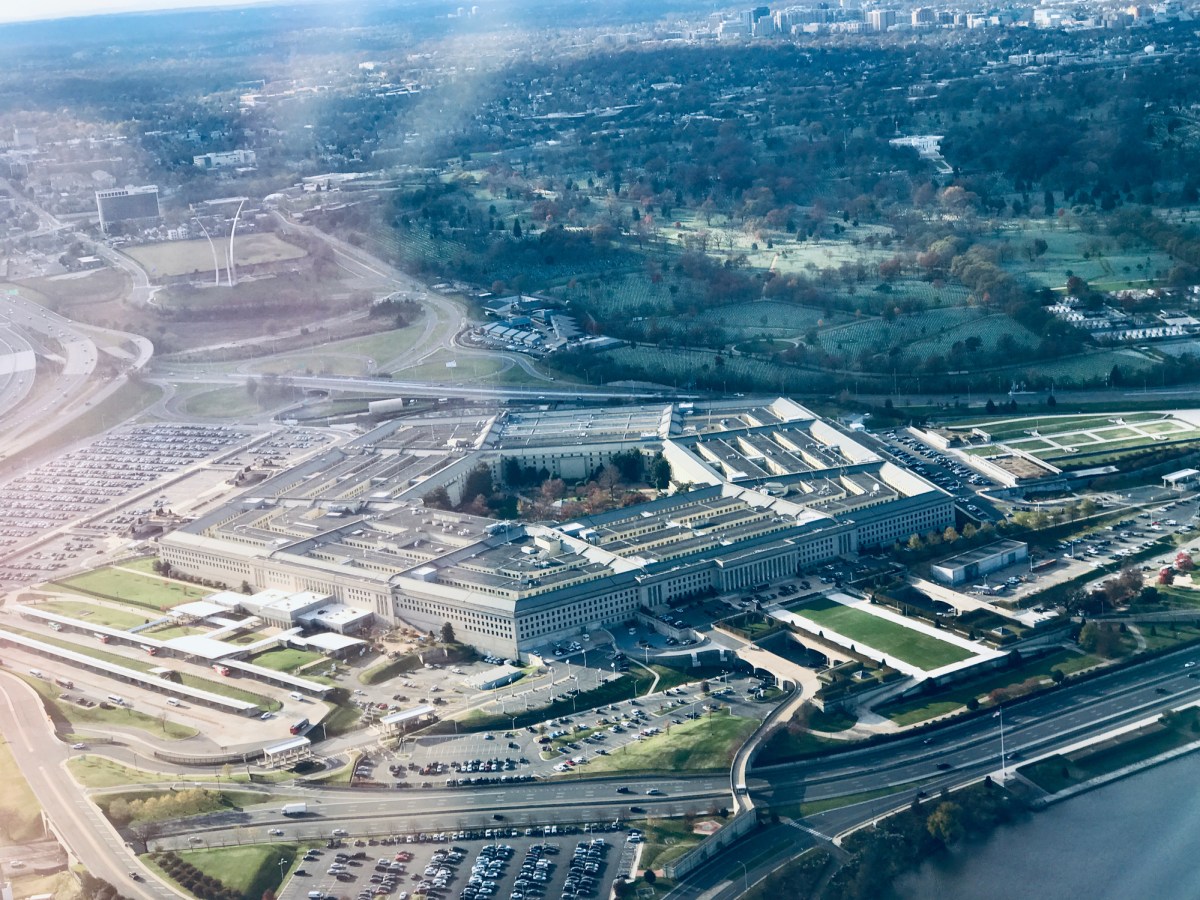
Pentagon broadens its AI roster
The U.S. Department of Defense said Friday that it has signed new agreements with Nvidia, Microsoft, Amazon Web Services and Reflection AI, allowing the companies’ AI technologies and models to be deployed on classified networks for what the department called “lawful operational use.”
The deals add to a growing list of vendors working with the Pentagon, which recently announced agreements with Google, SpaceX and OpenAI. In a statement, the department said the partnerships are meant to speed up its shift toward an “AI-first fighting force” and improve “decision superiority across all domains of warfare.”
The new contracts arrive as the Pentagon has been moving to diversify its AI suppliers following a dispute with Anthropic over the terms of using its models. The Defense Department had sought unrestricted access to Anthropic’s tools, while the company pushed for guardrails to stop its technology from being used for domestic mass surveillance and autonomous weapons. The two are now in court, and Anthropic won an injunction in March blocking the Pentagon’s effort to label it a “supply-chain risk.”
Classified networks and secure environments
According to the Defense Department, the newly approved AI hardware and models will be deployed in Impact Level 6 and Impact Level 7 environments, the high-security systems used for data and information critical to national security. The department said the tools are intended to “streamline data synthesis, elevate situational understanding, and augment warfighter decision-making.”
The Pentagon also emphasized its push to avoid dependence on any single supplier. “The Department will continue to build an architecture that prevents AI vendor lock-in and ensures long-term flexibility for the Joint Force,” the statement said.
The department said more than 1.3 million personnel have already used GenAI.mil, its secure enterprise platform for generative AI, which provides access to large language models and other tools inside government-approved cloud environments. That system is aimed mainly at non-classified work such as research, document drafting and data analysis.
The new agreements suggest the Pentagon is moving quickly to widen access to commercial AI across its most sensitive networks, even as it continues to fight over how far those tools should be allowed to go.
Sources: